

Why Are Gold and Platinum Suitable for Making Jewellery? A Jewellery Buyer’s Guide
Share
"Trends come and go, but gold and platinum stay they turn ordinary moments into keepsakes."
Walk into any jewellery store and you'll notice something: almost every fine piece on display is made from either gold or platinum. That's not an accident. Out of all the metals on this planet, only a handful can survive years of wear, keep their shine, and still look beautiful on a finger, wrist, or neckline. Gold and platinum sit right at the top of that short list.
But why exactly do these two metals dominate the jewellery world tradition, chemistry, or clever marketing? This guide breaks down the real reasons behind their popularity, explains what platinum actually is, and introduces a smart, budget-friendly alternative that's changing how people shop for jewellery today Gold Vermeil.
Why Are Gold and Platinum Suitable for Making Jewellery?
Gold and platinum have remained the top choices for jewellery for thousands of years, and it comes down to a few key qualities:
- Tarnish and corrosion resistance – Neither metal rusts, fades, or discolours with regular wear, water, or sweat.
- High workability – Both are soft enough to be shaped into intricate designs, yet strong enough to hold that shape over time.
- Long-lasting shine – A well-maintained piece can look as good decades later as it did on day one.
- Skin-friendly at higher purity – Neither causes major irritation when used in purer forms, making them safe for daily wear.
- Visual appeal – Their natural shine and colour make them ideal for showcasing gemstones and fine detailing.
- Timeless value – Gold holds long-term monetary value, while platinum's rarity keeps it premium and sought-after.
This rare combination of strength, flexibility, and beauty is exactly why gold and platinum dominate fine jewellery and understanding their individual strengths helps you choose the right piece for your lifestyle and budget.
What Makes a Metal Fit for Jewellery?
Not every shiny metal can be turned into a ring or a necklace. To qualify as a "jewellery metal," it needs three things working together:
- It must resist damage — no rust, no fading, no cracking with daily wear.
- It must be workable — soft enough to shape into fine designs, yet strong enough to hold that shape.
- It must look good — colour, shine, and the way it catches light all matter.
Gold and platinum tick every one of these boxes, which is exactly why jewellers have relied on them for thousands of years.
Why Gold Is Ideal for Jewellery Making
1. It Barely Reacts With Anything
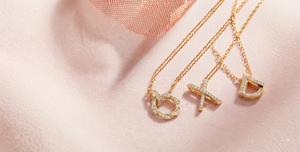
Gold is one of the least reactive metals known to science. It doesn't rust, corrode, or discolour when exposed to air, water, or sweat. A gold piece bought today can realistically be passed down for generations without losing its shine which is exactly why gold jewellery design has stayed relevant across centuries and cultures. This same resistance to tarnish is also what makes Gold Vermeil jewelry such a popular choice today, offering the timeless look of solid gold at a more accessible price point without compromising on durability.
2. It Can Be Shaped Into Almost Anything
Pure gold is incredibly soft and malleable. Jewellers can stretch a single gram of it into a sheet nearly a metre wide, or draw it into a thread finer than human hair. This flexibility is what allows designers to create everything from chunky statement rings for women to the most delicate filigree gold design work.
3. It Comes in Multiple Shades
Pure gold is naturally yellow, but mixing it with other metals creates different tones:
- Yellow gold – warm, classic, traditional
- White gold – modern and sleek
- Rose gold – soft, romantic pink tone
- 18k gold – a popular purity level that balances richness of colour with everyday durability
This range means there's a gold shade to match almost any skin tone or personal style.
4. It Holds Its Value
Gold isn't just decorative it's also a store of value. Because the gold price (or gold rate, as it's called in India) tends to rise over time, a gold piece doubles as both a beautiful accessory and a small investment a big reason gifting gold jewellery stays a tradition at weddings and festivals across India.
What Is Platinum? A Simple Definition
If gold feels familiar, platinum often confuses first-time buyers. So, what is platinum exactly?
To define platinum in simple terms: it's a naturally white, extremely dense metal that's rarer than gold and found in far smaller quantities around the world. Unlike gold, which is usually mixed with other metals and measured in karats, platinum used in jewellery is typically 90–95% pure straight out of the setting.
Here's what makes platinum stand out:
- Exceptional strength – it resists scratches and bending better than most other metals.
- Naturally hypoallergenic – ideal for people with sensitive skin, since it doesn't need heavy alloying.
- A cool, silvery-white finish – it makes diamonds and gemstones appear brighter by contrast, which is exactly why platinum pairs so well with earrings for women who wear their jewelry daily.
- Rarer than gold – which usually means a higher price tag.
Platinum Price vs Gold: Which Costs More?
In most markets, platinum price vs gold comparisons show platinum sitting higher per gram, mainly because it's harder to mine and refine, and jewellery-grade platinum requires higher purity. That said, gold prices fluctuate too, and depending on global demand, the gap between the two can shrink or widen. If long-term value and rarity matter most to you, platinum is worth the extra spend. If you want flexibility in colour and design, gold usually wins and for those looking to enjoy that flexibility without the higher cost of solid gold, Gold Vermeil Jewellery offers a budget-friendly alternative that still delivers a rich, gold-toned finish.
Gold vs Platinum vs Silver Jewelry: A Quick Comparison
| Factor | Gold | Platinum | Silver Jewelry |
|---|---|---|---|
| Tarnish resistance | Very high | Highest | Moderate (needs polishing) |
| Skin sensitivity | Low with higher purity | Very low | Varies by alloy |
| Workability | Extremely flexible | Harder to shape | Easy to work with |
| Price | Tracks gold rate | Usually the priciest | Most budget-friendly |
| Best for | Everyday wear, gifting | Long-term, premium pieces | Casual, trendy pieces |
Gold Vermeil: The Smart Middle Ground
Here's where things get interesting for anyone who loves the look of gold but doesn't want the price tag of solid gold every time they shop.
Gold Vermeil jewelry is made by coating a base of genuine 925 silver with a thick layer of real gold often 18k gold or higher. Unlike thin gold plating, vermeil coatings are regulated to be noticeably thicker, which means the gold layer lasts far longer with normal care.
Why is Gold Vermeil Jewellery becoming a favourite, especially among younger buyers?
- It looks like solid gold without the solid-gold price.
- It's gentler on skin, since it starts from a sterling silver base rather than a cheap alloy.
- It suits everyday styling think stacked rings, layered necklaces for women, and simple stud earrings.
- It makes a thoughtful gift for birthdays, anniversaries, or "just because" moments.
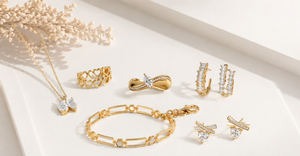
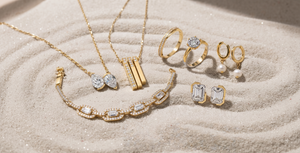
At Wingaura Jewels, our entire Gold Vermeil Jewellery collection is built around this idea: giving you the warmth and shine of gold, crafted on a solid 925 silver foundation, at a price that doesn't stretch your budget.
Adding Sparkle: Where Moissanite Diamond Fits In
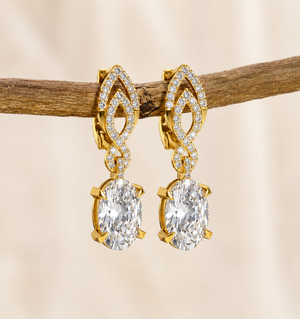
Many modern gold and vermeil pieces are now paired with a Moissanite Diamond instead of a traditional mined diamond. Moissanite is prized for its brilliant sparkle, strong durability, and far more accessible price point making it a popular choice for rings, pendants, and earrings that still need to shine bright without a heavy price tag.
Building Your Jewellery Collection: What Women Are Buying Right Now
If you're putting together an everyday jewellery edit, here's how each piece typically fits in:
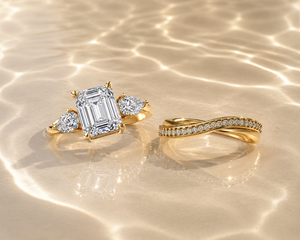
- Rings for women – from delicate stacking bands to statement solitaires, rings are often the first place people experiment with gold vermeil or platinum-style finishes.
- Earrings for women – small studs for daily wear, hoops for a bit of edge, and drop styles for evenings out.
- Necklaces for women – pendants and chains that can be layered or worn solo, depending on the neckline.
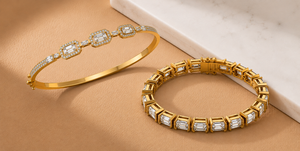
- Bracelets for women – chain bracelets, tennis-style pieces, and stackable bangles that pair well with both casual and formal outfits.
Together, this makes up a well-rounded piece of jewelry for women versatile enough for daily wear, yet special enough for occasions.
Tips Before You Buy Gold, Platinum, or Vermeil Jewellery
- Check the purity marking – look for karat stamps (like 18k) on gold, or purity marks on platinum.
- Ask about the base metal – for vermeil pieces, confirm it's genuine 925 silver underneath.
- Track the gold rate – prices shift daily, so buying during a stable period can save money.
-
Match the metal to your lifestyle – daily wear calls for durability; occasional wear allows more delicate designs, especially for stacked bracelets for women that see everyday use.
- Consider skin sensitivity – if cheap alloys irritate your skin, platinum or gold vermeil are safer bets.
Conclusion
So, why are gold and platinum suitable for making jewellery? Because they combine three things very few metals manage together: lasting durability, natural beauty, and the flexibility to be shaped into almost any design imaginable. Platinum brings strength and rarity to the table, gold brings warmth, colour variety, and long-term value, and gold vermeil brings both of those qualities within reach of almost any budget.
Whether you're picking your first ring, building a stack of everyday bracelets, or shopping for a gift, understanding these basics makes the decision a lot easier and a lot more confident.
Explore Wingaura Jewels full range of Gold Vermeil Jewellery, including rings, earrings, necklaces, and bracelets crafted on genuine 925 silver.
FAQs
1. Why are gold and platinum suitable for making jewellery?
They resist tarnish, look naturally attractive, and are flexible enough for detailed designs. Platinum adds strength and hypoallergenic properties, while gold offers colour variety and long-term value.
2. What is platinum, in simple words?
A rare, dense, naturally white metal used at 90–95% purity in jewellery, making it purer and generally pricier than most gold pieces.
3. What is Gold Vermeil jewelry?
Genuine 925 silver coated with a thick layer of real gold, usually 18k or higher — the look of solid gold at a far more affordable price.
4. Is platinum better than gold for daily wear?
Platinum is more scratch-resistant and hypoallergenic, ideal for daily pieces like engagement rings. Gold offers more colour options and warmth, so it depends on personal preference.
5. Does the gold price affect Gold Vermeil jewelry prices?
Only partially since vermeil uses a smaller amount of gold over a silver base, it's far less sensitive to daily gold rate changes than solid gold jewellery.
6. How do I choose between gold, platinum, and silver jewelry?
Gold for warmth and colour variety, platinum for strength and a premium finish, silver or gold vermeil for a similar look on a smaller budget.