
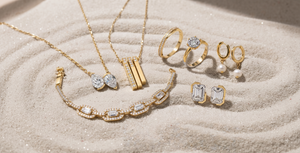


How to Care for Gold Vermeil Jewelry and Make It Last Longer
How to Clean Gold Jewelry at Home — A Quick Look Before You Start
Before diving into daily care habits, it helps to know the basics of how to clean gold jewelry at home the right way. Most people either over-clean their pieces with harsh products or under-clean them out of fear of damage and both approaches end up shortening the life of gold vermeil jewelry. The good news is that cleaning it at home doesn't require anything fancy: a soft cloth, mild soap, lukewarm water, and a gentle hand are usually enough. The sections below break down exactly when and how to do this, along with the daily habits that keep the gold layer looking new for longer.
A few months in, and the piece you couldn't stop wearing suddenly looks tired. The glow isn't quite what it was on day one. If that's the situation you're in right now, don't panic — this happens to plenty of people who own gold vermeil jewelry, and in most cases it isn't a sign of a bad purchase. It's usually just a gap in daily habits, one that's easy to close once you know what's actually going on.
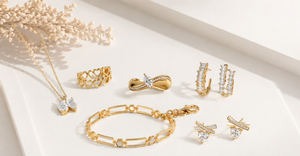
Gold vermeil has quietly become a go-to option in jewellery for women, mainly because it offers a genuine gold surface without the price tag that pure gold usually demands. The catch is that vermeil in gold isn't solid metal it's a plated layer sitting over sterling silver so it behaves a little differently than a heavier, all-gold piece would. That difference isn't something to worry about, though. It just means a handful of small, easy routines go a long way.
Understanding What Gold Vermeil Actually Is
At its core, gold vermeil is sterling silver wrapped in a coating of real gold, and there's an actual industry standard behind how thick that coating needs to be for the term "vermeil" to legally apply. That baseline thickness is why vermeil tends to outperform basic gold-plated pieces, even though it still can't match the durability of jewelry made from solid gold.
Unlike plain silver jewellery, which shows its base metal the moment any coating wears off, gold vermeil's sterling silver core is specifically chosen because it takes gold plating well and holds up better underneath than cheaper alloys.
A useful comparison: picture a well-made pair of leather boots. Nothing fake about the material, and they can genuinely last for years — but they still need the occasional clean and a bit of upkeep along the way. Gold vermeil sits in that same category.


Daily Habits That Keep the Gold Layer Intact
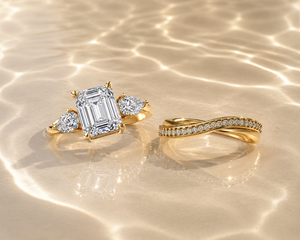
Vermeil jewellery rarely gets ruined in one single moment. It's usually a slow fade caused by repeated, small contact points that add up over weeks and months. A handful of adjustments to your routine can change that outcome entirely — and this matters just as much for a delicate ring for women as it does for a heavier statement piece.
- Jewellery goes on last, comes off first. Perfume, hairspray, and body lotion all carry chemicals that accelerate tarnishing on plated surfaces. Finish your entire routine, then slip on your ring, earrings, necklace, or bracelet right at the end.
- Chlorine and heat are the real enemies, not water alone. A brief splash won't cause harm, but pools, hot tubs, and long hot showers wear the gold coating down faster with repeated exposure.
- Remove jewellery before exercising. Sweat is more corrosive than most people assume, and gym equipment can easily scratch or bend a delicate setting.
-
Give each piece its own space. Piling everything into one drawer leads to scratching, since different metals rub against each other. A good jewelry box with separate compartments or a soft individual pouch solves this instantly it's one of the simplest upgrades for anyone storing multiple rings, chains, or bracelets together.
- A quick wipe after wearing makes a real difference. Oils and residue build up on the surface through the day, and a soft dry cloth removes them before they cause long-term dulling.

The Right Way to Clean Gold Vermeil
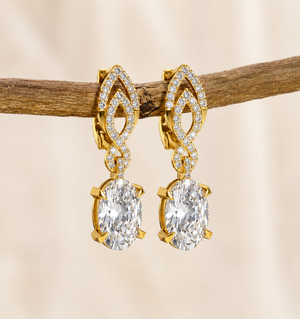
If you're searching for how to clean gold jewelry at home without damaging the plating, the answer lies in keeping things simple. There's nothing complicated about cleaning vermeil, but it does call for a light touch rather than an aggressive scrub this holds true whether you're cleaning a chunky bracelet or a pair of delicate earrings for women with intricate detailing.
There's nothing complicated about cleaning vermeil, but it does call for a light touch rather than an aggressive scrub — this holds true whether you're cleaning a chunky bracelet or a pair of delicate earrings for women with intricate detailing.
For routine upkeep, a soft, non-abrasive cloth should be your go-to — this covers most of what a piece needs on a weekly basis. When something needs a bit more attention, mix a small amount of mild, non-abrasive soap into lukewarm water, dip a soft cloth or very gentle brush into it, clean carefully, and dry the piece immediately with a separate soft cloth afterward.
Steer clear of ultrasonic cleaning machines, and avoid any polish or dip formulated for solid gold or pure silver — these are frequently too harsh for a plated surface and risk stripping the gold coating entirely. The same goes for internet-famous DIY tricks involving baking soda, toothpaste, or vinegar. They might be fine on certain solid metals, but they're a genuine gamble on vermeil.
Why are gold and platinum suitable for making jewellery in the first place? Both metals resist tarnish and corrosion far better than most alternatives, and gold in particular is soft enough to shape into detailed designs while still holding its form over years of wear. That's exactly why gold even in a plated form like vermeil remains the top choice for everyday jewellery.

What to Look For Before Buying a New Piece
Not every vermeil piece is built the same way, and the design you choose plays a real role in how long it stays looking good.Pay close attention to how a band or setting is finished a smoother inner edge means less friction against skin, which slows down fading in that one spot that always wears first. It also helps to know that most vermeil uses 18k gold or higher purity for the plating layer, since higher-karat gold resists discoloration better than lower grades.
| What to Check | Why It Matters |
|---|---|
| Gold Thickness (Microns) | A coating of 2.5 microns or more typically resists fading longer than a thinner layer |
| Base Metal Quality | Genuine sterling silver underneath outperforms cheaper base alloys over time |
| Design Simplicity | Fewer tight grooves and crevices mean less trapped moisture and easier cleaning |
| Brand Transparency | Brands that openly state gold thickness and base metal tend to be more trustworthy long-term |
This is one area where a brand like Wingaura Jewels stands out as a good reference point. Their pieces favor clean, wearable shapes over heavily intricate detailing, which naturally makes upkeep simpler — and it's a philosophy that carries across their entire range, not just one category.
Don't Forget Bracelets — They Wear Down the Fastest
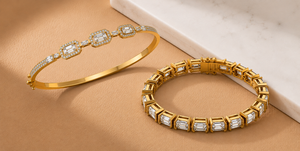
Out of every jewellery category, bracelets for women tend to fade the quickest, and it's simple physics — they're constantly brushing against desks, bags, sleeves, and steering wheels in a way rings and necklaces rarely do. If you wear one daily, give it a quick wipe every evening rather than waiting for a weekly clean, and slide it off before anything involving water, sports, or heavy lifting. A little extra attention here goes a long way, since bracelets rarely get the same downtime other pieces do.
This is exactly why a thoughtfully made gold jewellery design matters more than people expect. Simpler clasps, fewer soldered links, and smoother surfaces all translate into less everyday wear, which means less frequent trips for re-plating down the line.
When It's Time to Consider Re-Plating
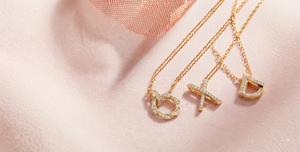
Gold vermeil isn't meant to last forever in its original form — it's a coating, not a solid block of metal, and that's expected. This is especially true for necklaces for women, since clasps and chain links see near-constant movement against skin and clothing. A few signs tell you it's time to think about re-plating rather than more cleaning:
- Small patches where the silver underneath starts peeking through, usually at friction points like the inside of a ring band.
- A gold tone that stays visibly dull even right after a proper clean.
- Faint discoloration that a soft cloth simply won't lift.
None of this means the piece is done for. Plenty of jewellers offer re-plating services that bring the gold layer back to life, often at a much lower cost than buying a replacement.
Conclusion
Gold vermeil jewelry isn't delicate in a fragile, handle-with-extreme-care sense — it just responds well to a bit of consistency. Keep it dry when it counts, away from harsh chemicals, cleaned gently, and stored properly, and it can stay looking sharp for years rather than fading out within months.
At the end of the day, the difference between a piece that lasts and one that doesn't usually comes down to these small, repeatable habits — not the price you paid for it. A little consistency goes further than any expensive cleaning kit ever could, and it's what keeps a piece from Wingaura Jewels looking the way it did on day one.
Frequently Asked Questions
1. What sets gold vermeil apart from regular gold-plated jewellery?
Gold vermeil requires a legally defined minimum thickness of real gold over sterling silver, which makes it noticeably more durable than typical gold-plated jewellery that often uses a much thinner coating over lower-quality base metals.
2. How long can gold vermeil jewelry realistically last?
With consistent care, gold vermeil jewelry for women can hold up well for several years before needing re-plating, though this depends heavily on how often it's worn and how carefully it's stored.
3. Is it okay for gold vermeil to get wet occasionally?
Quick, incidental contact with clean water generally isn't an issue, but chlorine, hot water, and extended moisture exposure speed up wear, so it's best to remove vermeil pieces before swimming or long showers.
4. Can I clean gold vermeil jewelry with just soap and water?
Yes — a mild, non-abrasive soap combined with lukewarm water and a soft cloth works well, provided you dry the piece thoroughly right after cleaning it.
5. Why does fading show up in certain spots before others?
High-friction areas, like the inner band of a ring or the back of an earring post, tend to fade first because they experience the most constant contact with skin and fabric.
6. Is re-plating an option for vermeil rings, earrings, or necklaces?
Yes, most jewellers provide re-plating services to refresh the gold layer once it starts fading, and this route is typically far more affordable than purchasing a new piece altogether.
7. Does Wingaura Jewels carry gold vermeil options?
Wingaura Jewels offers gold jewellery designs across rings, earrings, necklaces, and bracelets, built around simpler, cleaner detailing that generally holds up better with everyday care.